
Short answer: an international company can complete commercial drone work in the United States, but a foreign remote-pilot credential is not automatically accepted as an FAA Remote Pilot Certificate. The pilot, aircraft, airspace, and project each have to fit the applicable U.S. requirements.
That is why “we need FAA Part 107” is often the right starting question but not the complete operating plan. A qualified U.S. field partner can help turn the regulatory question into a workable assignment with the correct pilot, aircraft, site preparation, equipment, and data handoff.
The FAA does not recognize a foreign remote-pilot credential as its equivalent
The FAA’s guidance for international UAS operators says it does not currently recognize a foreign remote-pilot certificate or equivalent. For a small UAS operation under Part 107, an international team generally has three practical pilot options:
- Obtain an FAA Remote Pilot Certificate. A qualifying applicant can follow the FAA certification process, including the required knowledge test and security review.
- Operate only under qualifying direct supervision. A person without the U.S. certificate may manipulate the controls when a certificated U.S. remote pilot is acting as remote pilot in command and can immediately take direct control.
- Have a U.S.-certificated remote pilot conduct the operation. This is often the most direct path when the project is time-bound or the international team needs dependable U.S. execution rather than its own long-term U.S. flight capability.
In every case, the remote pilot in command retains responsibility and final authority for the operation. A certificate cannot simply be “rented” while someone else controls the decisions outside the conditions allowed by the rule.
Bringing a foreign aircraft can add another layer
The pilot certificate and the aircraft are separate questions. If an international company brings a foreign-registered drone into the United States, Remote ID, a Notice of Identification, and U.S. Department of Transportation economic authority may apply.
The FAA says operators of foreign-registered drones with FAA Remote ID must submit a Notice of Identification before operating in the United States. The aircraft or broadcast module must also use an FAA-accepted Declaration of Compliance for the Remote ID configuration.
For commercial operations involving foreign civil aircraft, DOT foreign-aircraft authority under Part 375 may also be required. The FAA recommends beginning the permit process in advance, and the exact treatment can depend on the aircraft, home country, and type of operation.
Using a U.S. operator’s approved aircraft can simplify some of the foreign-aircraft questions, but it does not eliminate the need to review the actual mission.
Part 107 is not the whole project
A valid FAA Remote Pilot Certificate does not, by itself, authorize every proposed flight. The project review may also need to address:
- aircraft registration and Remote ID;
- controlled-airspace authorization;
- Part 107 waivers or operating limitations;
- site access and property permission;
- operations over people, vehicles, or at night;
- local site rules, security requirements, and client onboarding;
- insurance, safety training, and crew requirements;
- equipment condition, firmware, payloads, data handling, and cybersecurity; and
- weather, terrain, ground risk, temporary flight restrictions, and mission-specific feasibility.
A demonstration at a controlled customer site, a thermographic inspection at an energy facility, and a multi-site product pilot can all involve Part 107 while requiring very different planning and field support.
Bring your drone or use a U.S. operator’s system?
The right answer depends on what the project is actually testing or producing.
Bring the client’s system when the aircraft, payload, autonomy stack, sensor, or workflow is itself the subject of the demonstration or trial. Allow time for documentation, Remote ID, aircraft review, operating limitations, data/security requirements, and any foreign-aircraft process.
Use the U.S. operator’s system when the outcome is the data, imagery, documentation, or field result rather than validation of a specific aircraft. This may reduce equipment and import friction and make the operating scope easier to define.
Use a combined solution when the client supplies a proprietary payload or technical system while the U.S. partner supplies the flight platform, RTK, field equipment, crew, or local operating structure.
What an international team should define first
Before asking for a quote, assemble the smallest useful project brief:
- the U.S. location or likely region;
- the desired date or operating window;
- the outcome and required deliverables;
- whether a specific client aircraft or payload must be used;
- known site, customer, safety, or security requirements;
- whether this is a one-time assignment, a beta, or the beginning of a larger rollout; and
- who owns decisions, technical support, data acceptance, and field coordination.
This last point matters when a one-week test becomes a multi-site or multi-month program. Field execution, deployment coordination, and program leadership are different levels of responsibility and should be scoped accordingly.
PAM provides the U.S. side of the operation
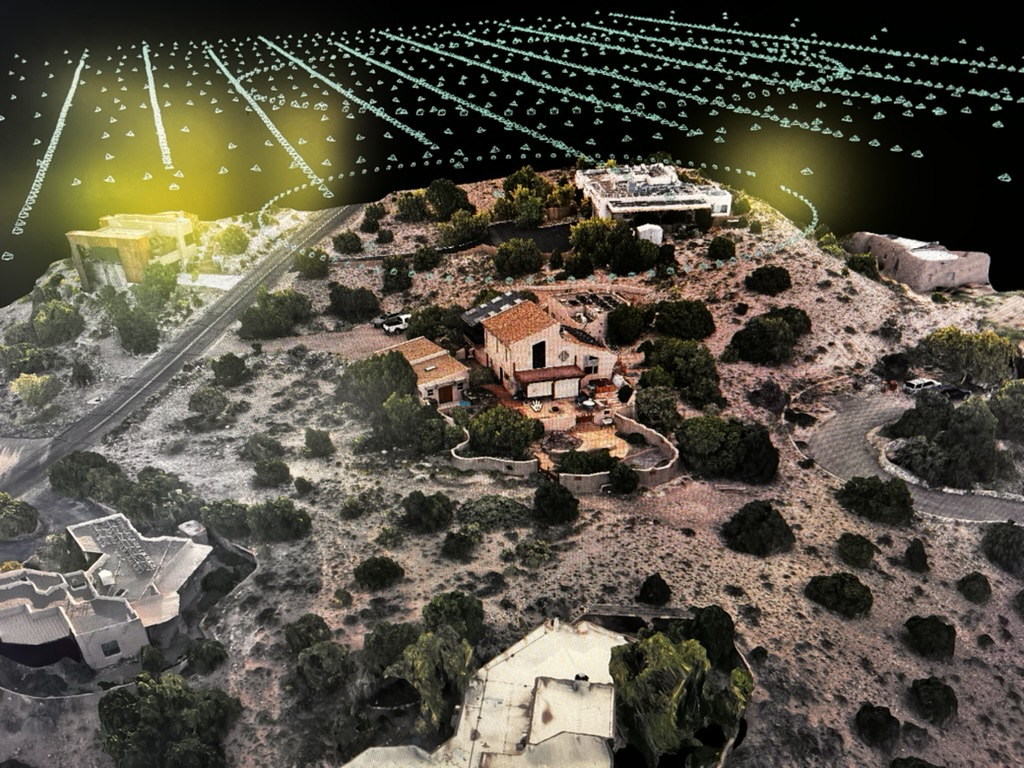
ProAerial Media supports international teams with FAA Part 107 flight operations, product tests and demonstrations, reality capture, technical data acquisition, site readiness, deployment support, and repeat multi-site work throughout the United States.
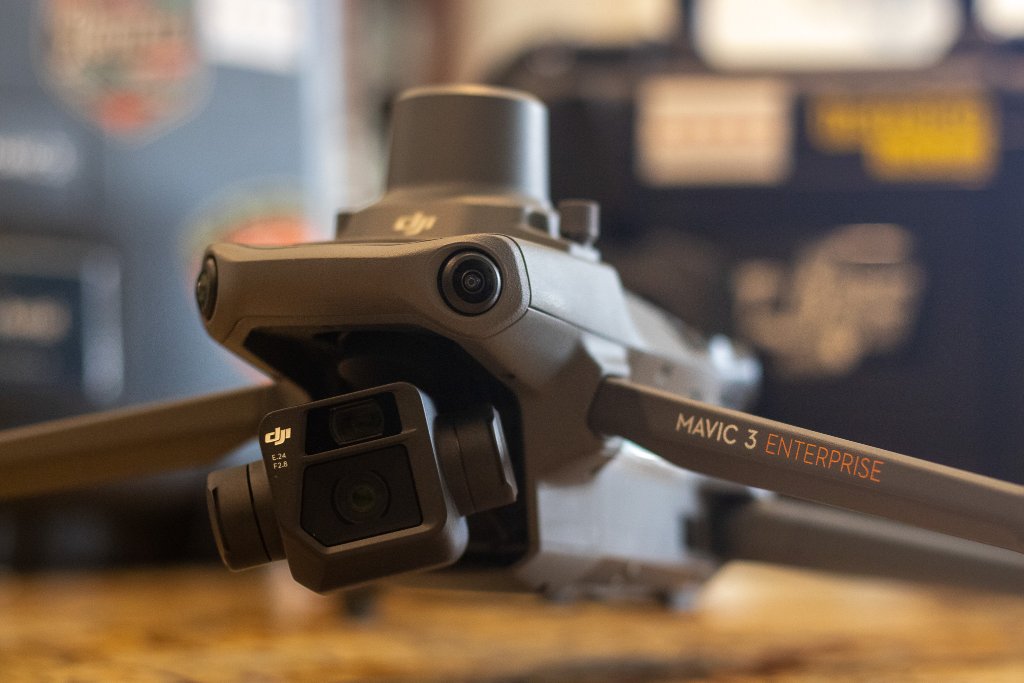
PAM maintains a complete DJI Mavic 3 Enterprise RTK setup and can review client-provided systems or coordinate other appropriate equipment for the assignment.
Discuss FAA Part 107 and U.S. operations support with PAM.
Reviewed August 8, 2026. This article provides general operational information, not legal advice. Requirements should be confirmed against the actual aircraft, operator, location, and mission.